MMA Classes in Patiala

Best MMA Academy
in Patiala
MMA Fighters Club
Learn MMA in Patiala, Kalarippayattu, Boxing, Muay Thai, Karate, BJJ & Fitness Under One Roof
- TRAIN HARD
- STAY SAFE
- BE THE BEST
LIMITED SEATS AVAILABLE
MMA Academy in Patiala & Martial Arts Classes

About MMA Fighters Club –Fitness & MMA Training in Patiala
Why MMA Fighters Club?
Welcome to MMA Fighters Club, best MMA academy & martial arts classes in Patiala , where traditional martial arts meet modern MMA, fitness and practical self-defence under one roof. We offer a complete training experience for kids, teens, adults, beginners and experienced athletes, combining MMA, Boxing, Kickboxing, Kalaripayattu and Karate with strength and conditioning, calisthenics, mobility, functional training and weight-loss programs. Our approach is not only about learning combat skills—it is about building strength, confidence, discipline, awareness, fitness and practical self-defence skills for real life. Whether you are looking for the right MMA academy in Patiala, martial arts training in Patiala, karate classes, Kalaripayattu training, boxing and kickboxing, kids martial arts or fitness and weight-loss training, MMA Fighters Club provides a structured environment to learn multiple skills, improve physical performance and become stronger, fitter and more confident.
What Is MMA.You should know befoe joining MMA Academy in Patiala
MMA, or Mixed Martial Arts, is a full-contact combat sport that combines techniques from different martial arts and fighting disciplines. Unlike sports that focus on one style, MMA allows athletes to use both striking and grappling, whether standing or on the ground. Common techniques include boxing, wrestling, Brazilian Jiu-Jitsu, Muay Thai, karate, judo, and kickboxing.
MMA fighters develop a well-rounded skill set because a fight can involve striking, clinching, takedowns, and ground fighting. Depending on the competition rules, a bout can end by knockout, technical knockout, submission, or judges’ decision.
For beginners, MMA classes in Patiala can be a practical way to learn these skills under the guidance of trained coaches. MMA training can help improve fitness, strength, coordination, flexibility, discipline, and self-defence skills while teaching students how to combine different fighting techniques safely and effectively.
If you are searching for “MMA classes near me” in Patiala, MMA Fighters Club is a great option for learning mixed martial arts in a structured training environment. Whether you are a complete beginner, want to improve your fitness and self-defence skills, or are looking to develop your fighting abilities, MMA Fighters Club provides training designed to help students build their skills progressively.
MMA training is not only for professional fighters. People with different fitness levels and experience can learn the fundamentals through structured training and gradually improve their technique and conditioning. With the right coaching and consistent practice, beginners can develop confidence, physical fitness, discipline, and practical martial arts skills.
In simple terms, MMA brings different martial arts together to create a complete and versatile combat sport. If you are looking for MMA classes near you in Patiala, MMA Fighters Club can be a strong choice to start or continue your MMA training.
Martial Arts & Fitness Classes We Offer in Patiala
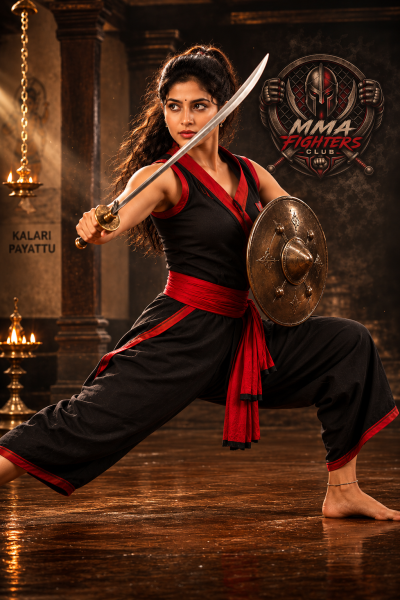
Kalaripayattu in Patiala
Discover Kalaripayattu, one of India’s traditional martial arts, through training that develops strength, flexibility, agility, coordination, balance and body control.
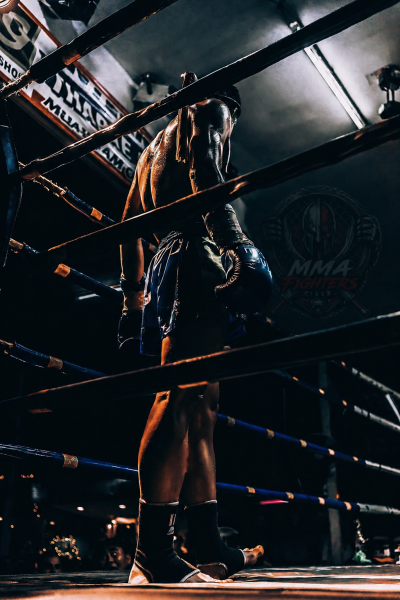
Muay Thai Training in Patiala
Muay Thai is a striking art known for its use of punches, kicks, knees, elbows, clinching, movement, and conditioning. It develops power, endurance, coordination, confidence and practical striking skills.
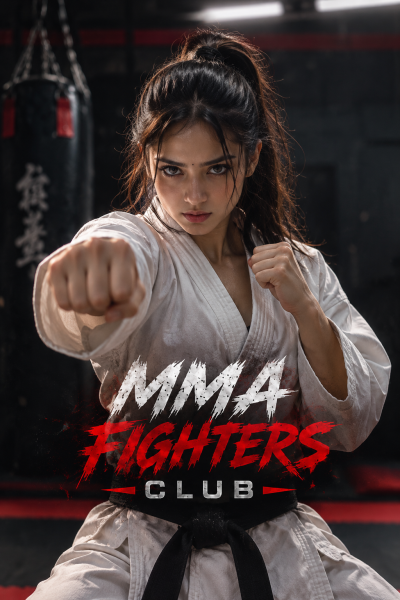
Best Karate Classes in Patiala
Karate training combines technique, discipline, coordination, speed, strength, and controlled movement. It also helps develop confidence, focus, fitness, self-control, and practical self-defence skills.
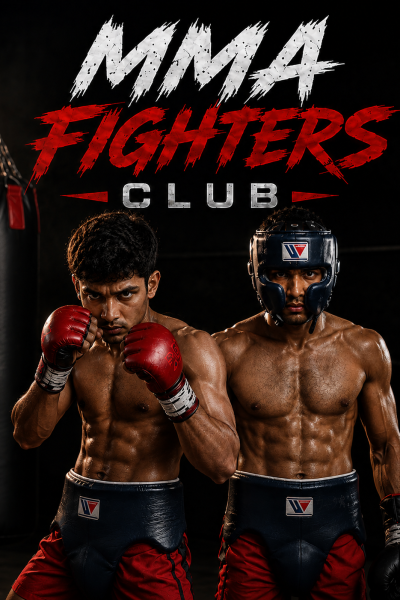
Best Boxing Classes in Patiala
Boxing is much more than throwing punches—it involves timing, footwork, distance, defence, coordination, speed, and conditioning.
At MMA Fighters Club in Patiala, our Boxing classes are going on with safty and basics
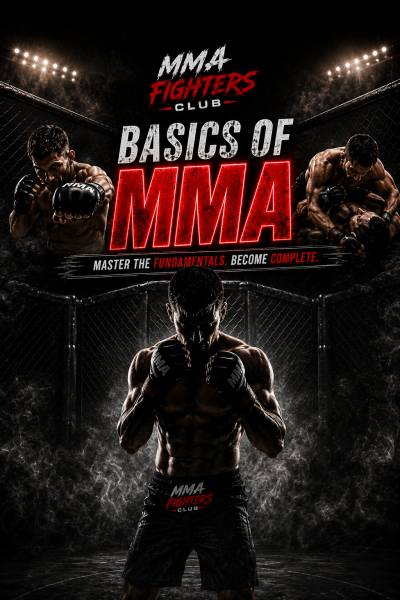
Basics Of MMA Classes in Patiala
MMA classes in Patiala teach combat skills such as Boxing, Muay Thai, Wrestling, Takedowns, Grappling, and Ground Fighting.
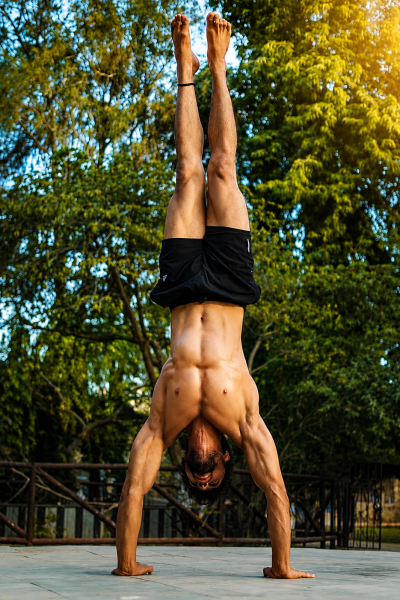
Calisthenics Training in Patiala
Calisthenics uses bodyweight movements to develop strength, mobility, coordination, balance, and body control.
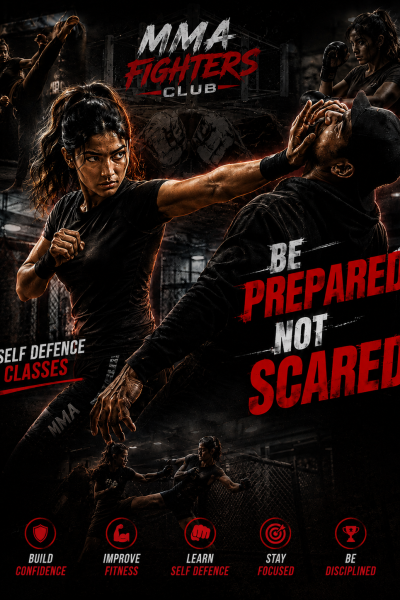
Self-Defense Classes in Patiala
Self-defence training is about awareness, confidence, movement, decision-making, and learning appropriate defensive responses.
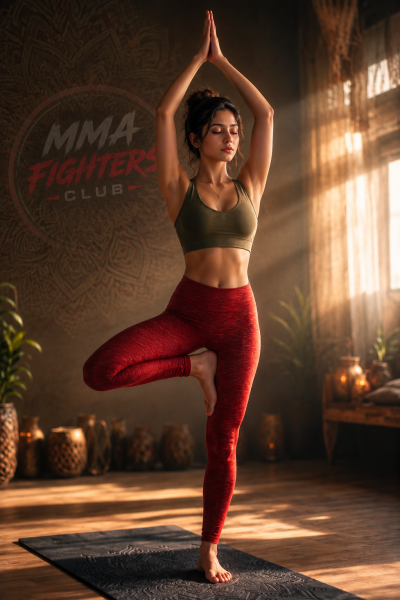
Yoga Classes in Patiala
Yoga can help develop flexibility, mobility, balance, breathing control, body awareness, and relaxation.
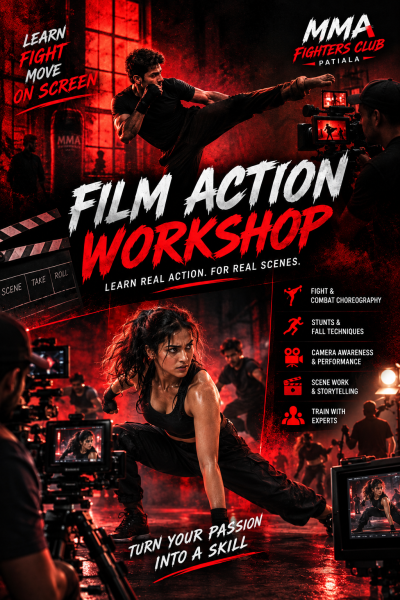
Film Action Classes
opportunity to learn practical on-screen action skills, including fight choreography, stunt techniques, controlled falls, movement, and camera-ready performance. MMA Fighters Club provides structured film action training for aspiring actors, anyone interested in learning how action sequences are performed.
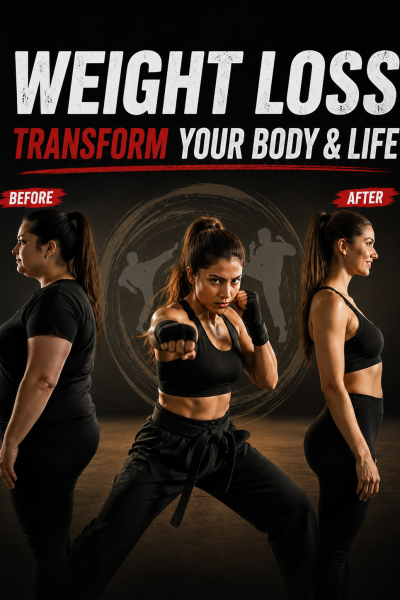
Weight Loss Training in Patiala
Weight loss training should be more than repetitive cardio—it should help you become fitter, stronger, and more active.
At MMA Fighters Club in Patiala, training can combine martial arts, conditioning, strength exercises, mobility, and functional workouts.
Call Us
Ready to Start Your MMA & Fitness Journey? Call us today and take the first step towards becoming stronger, fitter, and more confident. Train your body, sharpen your skills, and build confidence through martial arts and fitness.
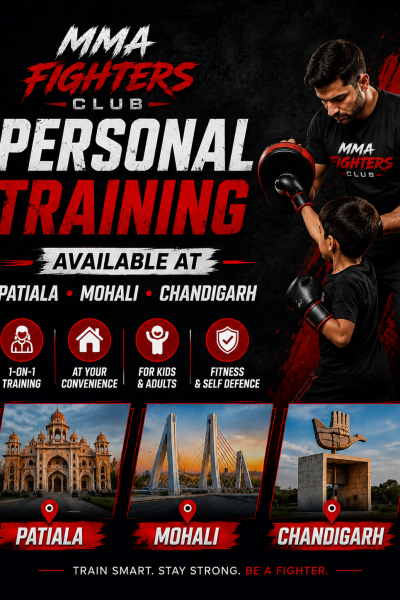
Personal Training in Mohali, Chandigarh
Dedicated one-to-one attention and a program built around your individual goals.
At MMA Fighters Club in Patiala, personal training can be tailored to your current fitness level, experience, and training objectives.
Frequently Asked Questions About MMA befoe joining MMA Academy & Martial Arts Classes in Patiala
1. What training programs does MMA Fighters Club offer?
MMA Fighters Club, an MMA academy & martial arts school in Patiala, offers Mixed Martial Arts (MMA), Kalaripayattu, Fitness Training, Calisthenics, and Yoga to improve strength, flexibility, endurance, coordination, and overall fitness.
2. Do you offer MMA training for beginners?
Yes. Beginners can join our MMA training and learn fundamental techniques step by step under proper guidance.
3. What is Kalaripayattu training?
Kalaripayattu is a traditional Indian martial art that develops flexibility, balance, body control, agility, and martial arts skills.
4. Can I join if I have no martial arts experience?
Absolutely. You don’t need previous martial arts experience. Training can be adapted according to your fitness level and experience.
5. Is MMA training good for fitness?
Yes. MMA training can improve cardiovascular fitness, strength, stamina, agility, coordination, and overall physical conditioning.
6. What is Calisthenics training?
Calisthenics is bodyweight-based training that focuses on strength, mobility, balance, flexibility, and body control.
7. Do you provide Yoga training?
Yes. Yoga can complement martial arts and fitness training by improving flexibility, mobility, balance, breathing, and recovery.
8. Can I join MMA only for fitness and not for fighting?
Yes. You can train for fitness, strength, flexibility, confidence, or general well-being without having a goal of competitive fighting.
9. Is MMA training suitable for children and teenagers?
Training can be structured according to age and ability, with appropriate exercises and safety-focused instruction
10. How often should I train?
Training frequency depends on your goals and fitness level. Our trainers can help you choose a suitable routine.
11. Can I lose weight through martial arts training?
Yes. Martial arts training combines active movement, cardio, strength, and conditioning exercises that can support healthy weight loss when combined with proper nutrition and consistency.
12. Can MMA and Kalaripayattu help with self-defence?
Martial arts training can develop physical skills, awareness, coordination, confidence, and controlled defensive techniques.
14. What is Premium Personal Training at MMA Fighters Club?
Premium Personal Training is a personalized one-to-one training program designed around your individual fitness goals, abilities, and training requirements.
15. What is Premium 1-to-1 Online Training?
Premium Online Training provides personalized one-to-one coaching remotely, allowing you to train with individual guidance without attending the physical training center.
16.What is the difference between MMA and UFC?
MMA (Mixed Martial Arts) is a full-contact combat sport that combines techniques from boxing, wrestling, Brazilian Jiu-Jitsu, Muay Thai, and other martial arts. UFC (Ultimate Fighting Championship) is a professional organization that promotes and hosts MMA fights. Simply put, MMA is the sport, while UFC is an organization where professional MMA fights take place.